
The Respigen brand of salbutamol inhalers is being discontinued in New Zealand.
In early October, Pharmac were advised by pharmaceutical company Viatris that the Respigen 100mcg metered dose inhalers would be phased out over the next two-to-three months.
This decision was due to a manufacturing plant closure.
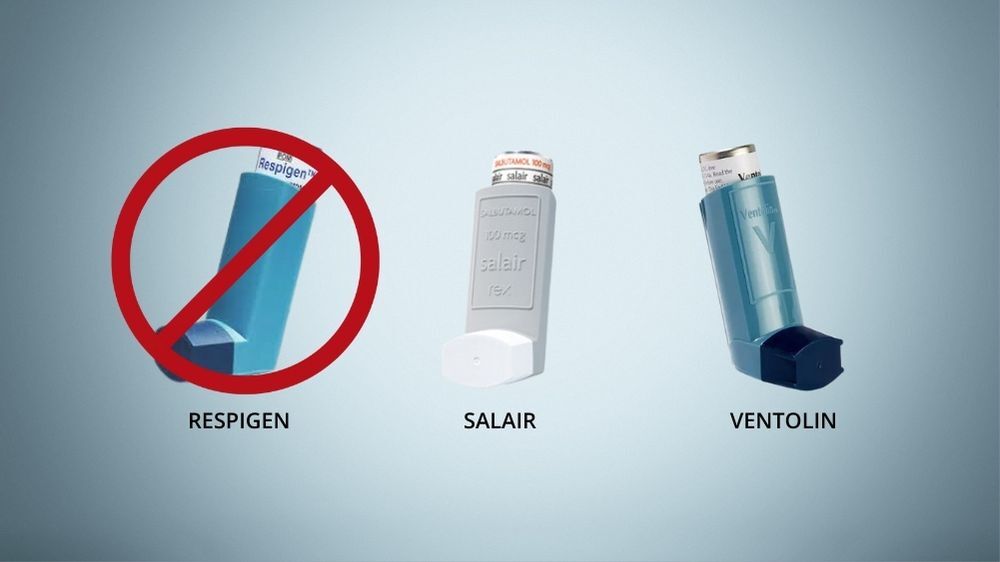
There is limited stock of Respigen available in New Zealand, however, there are two alternative brands available to patients that have the same formulation:
GSK and REX Medical have advised that these alternative brands will have enough supply available to meet the market demand.
People switching from the Respigen inhaler to the SalAir inhaler should note that the plastic casing of their reliever inhaler is now grey (rather than blue).
Patients do not need to see their doctor/prescriber for this change – their pharmacist will be able to switch Respigen to a new brand.
The active ingredient (salbutamol, 100mcg per dose) remains the same, however, some patients may notice slight differences in the taste of the different brands of inhaler.
This will affect patients who use inhalers to help with asthma, COPD and some other respiratory conditions.
Advice for all patients: